Blog
Tallinn Business Pulse 2025 — Local Brands Driving the Capital’s Growth
From what I have seen so far, Tallinn’s business scene is heating up, and some insiders are calling it “a city in full sprint.” From the cobblestones of Old Town to the glass towers of Ülemiste, deals are being struck, ideas are taking shape, and entire sectors are quietly setting the pace for Estonia’s economy.
As a founder of Talents Torch, has been walking that beat. “My job is to connect people with the right opportunities, But to do that, I have to know who’s making waves and why.” His latest project, Tallinn Business Pulse, dives straight into the city’s economic bloodstream, profiling the players behind the progress.
The range is striking — a family-run kebab spot in Viru Keskus with a lunchtime queue out the door, a jewellery studio blending old-world skill with edgy design, an Indian Mart near Mustamäe that stocks everything from Nido to shrimp and other hard-to-find international delicacies, a tech startup breaking rules in the name of innovation, and a logistics giant moving goods across the Baltic at all hours.
Food & Dining Culture — Fueling the City’s Workforce
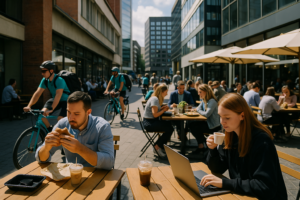 Imagine deadlines piling up. Meetings back-to-back. Weather that feels like it’s testing your patience. In Tallinn, the fix often arrives hot, in a paper bag, or folded into warm bread.
Food here works like fuel for the city’s engine. It keeps people sharp, connected, and moving. From quick street bites to modern café plates, the dining scene mirrors Tallinn’s pace — fast, diverse, and always ready.
At lunchtime, the business districts tell the story best. Office teams spill into cafés for a recharge. Cyclists weave through traffic with takeaway orders for entire departments. Founders grab a bite between investor calls. The menu ranges from heavy Estonian comfort dishes to global flavors that pull in curious first-timers and loyal regulars alike.
Both the big names and the independents have their place. Chains keep up with the city’s appetite. Smaller spots bring personality and flavor that stick. One example insiders always mention is Shaverma Kebab in Viru Keskus — a no-nonsense street-food counter known for portions that satisfy and flavors that travel fast. It feeds everyone from students on the run to executives in tailored coats, proving speed doesn’t have to sacrifice taste.
one café owner told me. Every quick lunch, every shared coffee, every after-work meal adds to the city’s rhythm. It’s a network of kitchens, counters, and tables that keeps the business engine running while giving the city its flavor — in every sense of the word.
Craftsmanship & Design — Where Tradition Meets Modern Demand
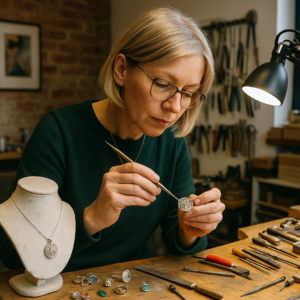 Oh yes, Tallinn’s design scene is turning heads, and industry watchers call it “heritage with an edge.” While the digital world moves at full speed, the city’s makers are proving that traditional skills still have a market — and a future.
From jewellery benches to textile studios, creators here mix age-old techniques with fresh, sellable ideas. The result? Products that feel both classic and current, ready for display in Tallinn boutiques or on shelves halfway across the globe.
Interestibly, Jewellery could be one of the the sector everyone keeps talking about. Step into a small, locally owned shop and the contrast is visible. Pieces here have weight, precision, and detail you can’t fake. The metals are chosen by hand. Stones are cut with care. Every clasp, curve, and setting tells part of the maker’s story. Many of these pieces leave Estonia entirely, becoming cultural ambassadors that also bring export revenue home.
One local jeweller stands out for keeping traditional methods alive while adding bold, modern twists. Customers aren’t just walking away with an accessory — they’re buying a piece of Tallinn’s heritage. “It’s about owning something you can’t get from a machine,” the owner told me.
Sustainable Solutions — The Rise of Circular Economy Players
Tallinn’s green economy is shifting gears, and locals are calling it “smart growth without waste.” The focus is simple — keep resources in play instead of throwing them away. From flea markets to digital swap platforms, the city is proving that consumption can be clever and sustainable at the same time.
The idea is gaining momentum fast. Clothes are traded instead of stored. Bikes get repaired and ride again. Laptops are refurbished and sold to someone who needs them today. Every saved item means less waste, more savings, and more business for those repairing, restoring, and reselling.
One of the biggest names in this space is Swapify. The platform turns unused goods into opportunities. A sofa that no longer fits a flat finds a new living room. A blender collecting dust lands in the hands of someone who cooks daily. “It’s about giving things a second life,” one user told me. Beyond the transactions, it’s building a citywide network of people who see value in sharing.
Maritime & Logistics Giants — Connecting Tallinn to the World
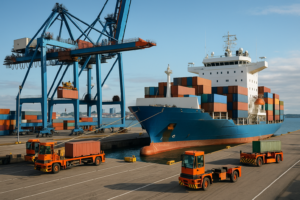 My personal observation and research depicts that Tallinn’s waterfront is more than a scenic view — it’s a launchpad. For decades, the city’s maritime and logistics powerhouses have been pushing goods, people, and ideas across borders, turning the capital into a gateway for Northern Europe. Industry insiders call it “the city’s real heartbeat.”
The location does the heavy lifting. Sitting on the Baltic Sea with direct routes to Finland, Sweden, and beyond, Tallinn has become a key link in both regional and global trade. Freight operators move products from factory floors to foreign markets. Shipping lines bring tourists and business travellers straight into the city’s hotels, shops, and meeting rooms. The movement is constant — and essential.
Tallink is the headline name here of course, Most recognise it as the ferry company, but industry veterans see more. It’s a cultural bridge moving millions of passengers each year and a cargo carrier keeping shelves stocked and exports flowing. “We move more than freight,” a Tallink crew member told me on the dock. “We move what keeps the country running.”
Observers say the sector’s impact stretches far past economics. These companies keep Estonia trusted in trade, strengthen tourism, and cement the country’s place in global markets. In Tallinn, the sea works as a bridge, and the operators crossing it daily are the ones keeping the city open, relevant, and ready for whatever comes next.
Financial Services & Business Backbone
What keeps a city’s economy breathing when the cranes stop moving and the port falls silent for the night? I found the answer not by the water, but in the quiet hum of Tallinn’s financial district — a rhythm you feel more than hear. It’s in the deliberate click of shoes across marble bank floors, the low voices behind glass-walled meeting rooms, and the faint glow of screens where deals are decided long before they ever make headlines.
From what I’ve seen, banks here are fueling new ventures, unlocking cross-border trade, and helping companies navigate risk. Their influence is everywhere, though you rarely notice it unless you’re looking: in the launch of a tech startup, the expansion of a retail chain, the survival of a manufacturer weathering a tough quarter. Strong financial institutions make Tallinn a safer bet for investors, local and global, and they push capital exactly where it needs to go.
Nordea is one of the names that comes up quickly in conversation. I’ve spoken with some bigwigs who credit their first major leap to the bank’s financing. But Nordea is far from alone — SEB, Swedbank, LHV, Coop Pank, and Citadele all have their fingerprints on Tallinn’s growth story. They’ve backed everything from family businesses finding their footing to multinationals scaling fast into new markets.
Tech & Startups — The Innovation Nerve Centre
 How does a country like this keep landing punches on the global stage? I’ve seen the answer up close in Tallinn’s tech scene — a hive of fast-moving teams where ideas don’t just get discussed, they get built. Whiteboards here don’t stay clean for long, and prototypes turn into real products before the coffee cools.
This city has the mindset for it. Startups are fearless, ready to pivot in a week if that’s what it takes, and bold enough to challenge global players head-on. I’ve met founders working on blockchain-powered finance tools, AI platforms that can out-analyse teams of humans, and digital identity systems that governments abroad are lining up to use. Estonia’s digital infrastructure means these ideas can go global almost as soon as they launch.
At Talents Torch, I’ve made this sector a core focus. My work puts the right people — developers, data scientists, product managers, and strategists — into the companies that need them most. In a city where the fight for top talent is fierce, making the right match can mean the difference between an idea that fades and one that takes over its market.
Tallinn’s tech ecosystem is more than unicorn headlines. Every day, engineers, designers, and product teams push boundaries, often without fanfare, building the platforms and services that will define the next decade. This is where tomorrow gets built — and I’m here to help build the teams making it happen.
What’s the one challenge I hear from almost every business owner in Tallinn? “We can’t find the right people when we need them.” The talent is out there, but in a competitive market, the best candidates are often already working, and the search drags on. Meanwhile, skilled professionals are scanning for opportunities they can’t always see — especially in sectors moving as fast as tech, logistics, and business services
That’s why I built the Talents Torch Local Collaboration Program. We bridge the gap by connecting companies with the right people — and by keeping them visible even when they aren’t hiring. We feature them in our network, share their stories, and introduce them to top talent and potential partners before they even know they need them.
BOTTOM LINE
I’ve seen it across every sector I’ve stepped into — progress happens fastest when people stop working in isolation and start pulling in the same direction. Estonia’s real growth will come from the moments when food makers, designers, tech founders, and logistics leaders lock arms instead of working in their own lanes.
Tallinn already has the talent, the ideas, and the reach. The missing piece is connection — strong, deliberate links between players that turn potential into momentum. Every conversation, every handshake, every shared project is a piece of that bridge.
The window for action is now. Those who build these connections today will shape tomorrow’s flow of talent, trade, and opportunity. This is what decides whether Estonia simply moves forward… or surges ahead on the global stage.
If you’re ready to go beyond your own bottom line, step onto the bridge with me. Let’s connect the people, the industries, and the ideas that will drive Estonia’s next chapter — together.
Leave a Reply